The emotional impact of sexual assault can last long after the incident itself. For many survivors, healing is not a linear process, and it is common to experience a wide range of emotional and physical reactions in the days, weeks, and months that follow.
One of the most common responses to sexual assault is trauma-related stress. Many survivors experience symptoms associated with post-traumatic stress disorder (PTSD), including flashbacks, nightmares, difficulty sleeping, panic attacks, heightened anxiety, or feeling emotionally numb. These reactions are not signs of weakness—they are common responses to a traumatic experience. SARCC Trauma Therapists are trained in evidence-based interventions shown to help reduce PTSD symptoms for sexual assault and abuse survivors. These services are available at no-cost and currently have no waitlist.
Survivors also frequently struggle with feelings of guilt, shame, self-blame, depression, or anxiety. It is important to remember that responsibility for sexual assault always lies with the person who committed the harm. Healing often begins with understanding that these difficult emotions are normal responses to trauma and that support is available.
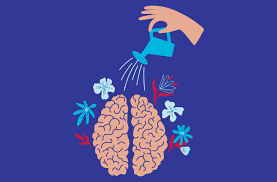
Finding healthy coping strategies can make a meaningful difference during the healing process. This may include talking with a trusted friend, working with a trauma-informed counselor, practicing self-care, or exploring creative outlets that help process emotions in a safe way. Every survivor’s healing journey is unique, and there is no right or wrong timeline for recovery.
Many survivors also find comfort and connection through support groups. Sharing experiences with others who understand can reduce feelings of isolation and provide encouragement along the path toward healing. SARCC advocates coordinate support groups based on interest and requests throughout the year. If you would like to inquire about a support group, please contact info@sarccheals.org.
If you or someone you know has experienced sexual assault, you do not have to face the journey alone. Compassionate, trauma-informed support is available, and healing is possible.