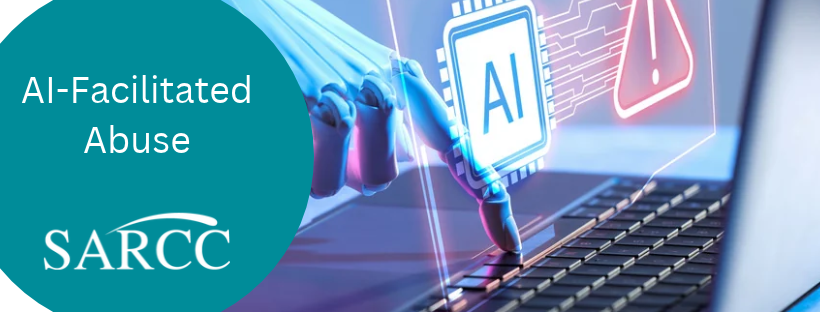
As artificial intelligence (AI) continues to evolve, it has created new ways for people to experience harassment, exploitation, and sexual abuse. AI tools can be used by anyone to create convincing fabricated photos and videos depicting a person in situations that never happened. These images are called deepfakes and may be used to humiliate, threaten, and/or control someone.
AI-generated sexual images can be shared publicly online, distributed among friends and family, or used to blackmail and intimidate survivors. Even when an image or video is fabricated, the harm is real. Survivors may feel violated, anxious, ashamed, or afraid of who might see the images. For those who have previously experienced sexual assault or abuse, this type of victimization may also trigger painful memories or intensify existing trauma.
Very recently, the PA State Legislature passed HB 2474, which was later signed into law by Governor Shapiro. This expanded reporting requirements for child abuse mandated reporters to include AI generated images and hazing behavior.
No one deserves to be treated this way, and no has to face this alone. Support from a trained advocate, trauma-informed counselor, or therapist can help survivors process their experiences. Trusted friends, family, and support groups can also provide connection and reassurance. If you or someone you know is experiencing AI-generated sexual abuse, noncensual intimate images, or related threats, confidential support is available. SARCC advocates listen without judgement, provide resources, and help you explore your options on our 24-hour confidential hotline.
- Schuylkill County: 570-628-2965
- Lebanon County: 717-272-5308
All services are free. You deserve to be heard, supported, and treated with dignity.